Schools & Education
Michigan AG Fights Federal Cuts to K-12 Mental Health Funding — Troy Schools Could Feel the Impact
By Staff · July 17, 2026
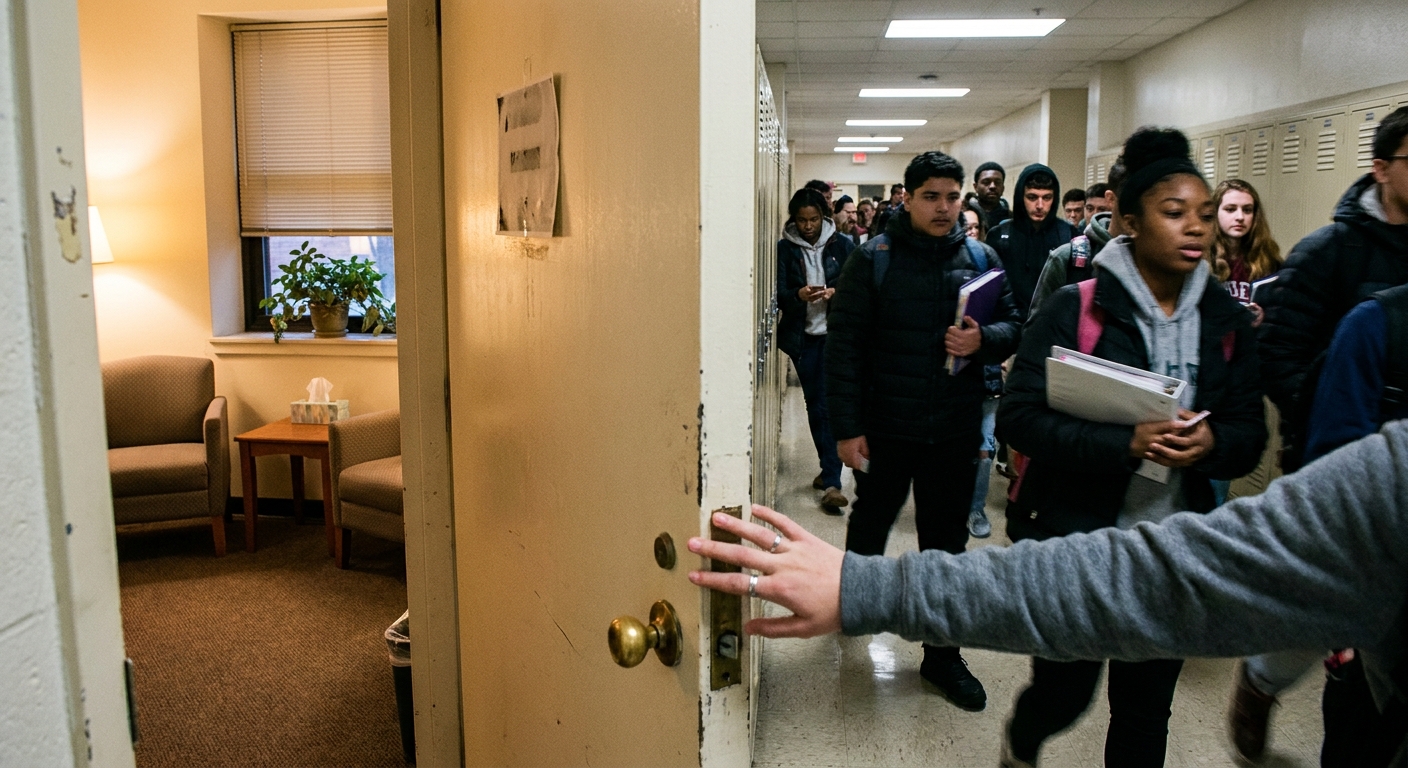
Troy School District is not listed as a recipient of the federal school-based mental health grants the U.S. Department of Education has moved to terminate, so the district has no documented award to lose in this case.
But the fight still reaches Troy. Michigan Attorney General Dana Nessel's lawsuit challenges whether the federal government can pull back congressionally approved money for school mental health staffing and services — funding schools may rely on when planning counseling, crisis response, and other student supports.
Nessel joined 14 other state attorneys general on July 10 in suing the U.S. Department of Education and seeking a preliminary injunction to stop the agency from terminating congressionally approved school-based mental health grants at the end of July. The coalition includes California, Colorado, Connecticut, Delaware, Illinois, Maine, Maryland, Massachusetts, Michigan, New Mexico, New York, Oregon, Rhode Island, Washington, and Wisconsin.
The cuts would affect more than $1 billion in K-12 mental health funding nationwide. Congress approved the School-Based Mental Health Services Grants after the Uvalde school shooting, with the goal of hiring about 14,000 mental health professionals. Michigan schools and universities stand to lose more than $6 million under the department's termination decision.
Only Lansing School District in Michigan has received a federal School-Based Mental Health Services Grant as of the most recent award data, receiving a five-year grant in 2022. Troy School District, which enrolled 11,705 students across 21 public schools in Oakland County as of 2026, is not among the recipients.
Troy provides mental health counseling through on-site school counselors and social workers, including David Guzak and Sara Abrin, social workers at Troy High School. The district collaborates with Care Solace, a mental health care coordinator, to help families find community providers for mental health and substance abuse services. Students can also access telehealth mental health services through Cartwheel Care with no waitlist year-round.
Separately, Michigan allocated $214 million total for Section 31aa Student Mental Health and Safety Per-Pupil Payments for the 2025-2026 school year, distributed equally per pupil to all districts that opted in. The question for Troy is whether the statewide $6 million federal loss affects regional mental health vendor costs or partnerships the district relies on.
The legal dispute centers on whether the Education Department can terminate grants after a court ordered it not to. The Department of Education notified grant recipients in April 2025 that the grants would not be renewed after their budget periods ended on Dec. 31, 2025. A federal judge in the U.S. District Court for the Western District of Washington issued a preliminary injunction on Oct. 27, 2025, blocking the department from discontinuing multi-year school mental health grants for grantees in 15 of the 16 plaintiff states.
The same court granted summary judgment on Dec. 19, 2025, finding the department's decision to discontinue the grants was arbitrary and capricious under the Administrative Procedure Act. The court ordered a permanent injunction effective immediately, requiring the department to make lawful continuation determinations by Dec. 30, 2025, and issue continuation awards by Dec. 31, 2025. The Ninth Circuit Court of Appeals denied the government's emergency motion to stay the permanent injunction on Feb. 24, 2026.
The grants were extended for six months, but the attempted end-of-July 2026 termination created renewed financial uncertainty for schools. The July 10, 2026, lawsuit — Case No. 2:26-cv-02409 — seeks to stop the department from circumventing the December 2025 permanent injunction that prohibited it from discontinuing these specific grants. The lawsuit alleges the termination violates the Administrative Procedure Act and the U.S. Constitution, specifically the Spending Clause and separation of powers.
Dana Nessel, Attorney General of Michigan, said, "We will do whatever it takes to protect our kids and secure the funds they were promised."
Dana Nessel, Attorney General of Michigan, said the cuts amount to "treating children's lives as disposable" and "abandoning schools to combat the mental health crisis alone."
Troy School District has a minority enrollment rate of approximately 50%, making it one of Oakland County's most diverse school systems. Asian or Asian/Pacific Islander students comprise 38.7% of enrollment, the second-largest demographic group after White students at 47.3%. English Language Learners comprise 16.3% of the student population, and economically disadvantaged students comprise 10.2%.
That diversity grounds why this funding fight matters even to districts not directly receiving federal grants — and why Troy families have a stake in statewide and regional mental health capacity. The outcome could determine whether school districts across Michigan can build mental health services around federal commitments that remain in place only as long as the government honors the money Congress approved.