Public Safety & Courts
Oakland County Jail Mental Health Failures Hit Close to Home: What Troy Residents Should Know
By Staff · July 17, 2026
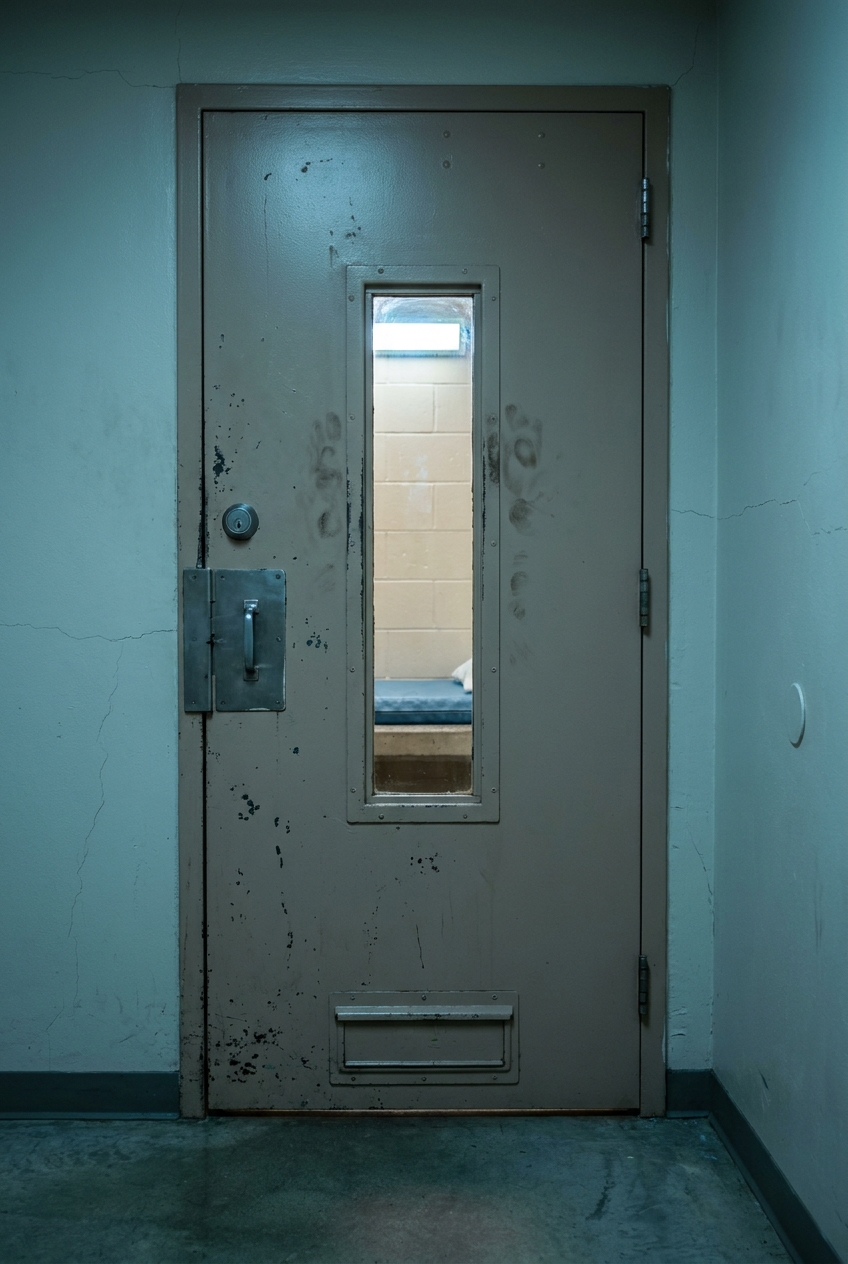
For a Troy resident arrested locally, the Oakland County Jail in Pontiac is the next stop after initial arrest paperwork—and the place Oakland County taxpayers trust to keep people in crisis alive.
That trust is at the center of the death of Benjamin M. Blostein, a 34-year-old Royal Oak resident who died by suicide at the jail on March 1, 2024, after seven weeks in custody. He was found hanging from a rope manufactured from an inmate bedsheet in cell B-305.
A Detroit Free Press investigation published July 9, 2026, reconstructed Blostein's death and uncovered a pattern of missed warning signs, inadequate mental health care and systemic gaps in suicide prevention at the county facility. Federal data show at least five people died by suicide at the Oakland County Jail between October 2019 and September 2023.
Troy Police Department handles initial arrests, but the Oakland County Sheriff's Office, led by Sheriff Michael Bouchard, takes over custody once arrestees arrive at the jail at 1200 North Telegraph Road, Building 38E. The facility serves all of Oakland County and admitted 12,247 prisoners in 2024; it carries an average daily population of approximately 596 and has a total capacity of over 1,000.
Despite a recent bipolar diagnosis and explicit suicidal statements to Royal Oak police, jail officials did not classify Blostein as a suicide risk. A Royal Oak police report documented Blostein telling officers he intended to use a piece of metal to hurt himself days before his arrest; police confiscated the metal. During interactions with police before his arrest, Blostein said, "just put a bullet in me."
Blostein was diagnosed with bipolar disorder at an inpatient-care facility in March 2023 after being transferred there by police; his parents were not informed of the diagnosis until after his death.
He was held in high-maximum security conditions described by experts as solitary confinement for 48 days, leaving his cell only 10 times. He received his first psychiatric evaluation only six weeks into his detention—a 26-minute virtual visit. He complained constantly of hunger and was cut off from phone and messaging systems after three weeks.
Blostein wrote while in custody, "The conditions I am currently subject to are unwarranted, unnecessary, unconscionable."
Barb and Joel Blostein, his parents, filed a lawsuit in October 2024 alleging the county and jail staff violated his rights through inadequate mental health care and ignored calls for help. The county and jail staff are fighting the lawsuit and have denied any wrongdoing; the case is set for trial in fall 2026.
Steven Potter, an attorney representing Oakland County, said, "Multiple independent mental health evaluations determined Blostein was not at risk of suicide and that there is no evidence his self-harm statements were communicated to jail officials."
Oakland County residents, including those in Troy, fund the jail through general property taxes that support the Sheriff's Office and Corrections Division; the county does not charge communities a daily rate for inmates. The Oakland County Corrections Department does not publish inmate data broken down by city of residence or by individual mental health screening outcomes, so Troy-specific jail population figures are not publicly available.
Two deputies testified they were unaware of any policy changes following Blostein's death; the sheriff's office has not publicly confirmed whether new suicide prevention or mental health care procedures were implemented.
The Oakland Community Health Network provides mental and behavioral health services to the jail under an interlocal agreement covering the period from October 1, 2025, through September 30, 2026. Amendment #1 to that agreement, approved March 11, 2026, authorized the jail to provide the network with locked iPads to conduct telehealth psychiatric visits for inmates. The network has direct oversight of jail mental health services and provides care to any inmate needing psychiatric support, regardless of public mental health criteria eligibility. In fiscal year 2021, 781 inmates received psychiatric and clinical mental health services through a contract with Easterseals of Michigan. Approximately 300 corrections deputies have been trained in mental health first aid.
Advocacy groups have highlighted an alarming lack of security cameras in cell blocks, which hinders accountability for inmate-on-inmate assaults and potential staff misconduct.
Mental health oversight for the jail is managed through the Oakland County Board of Commissioners' Public Health & Safety Committee, chaired by Commissioner Penny Luebs. Ann Erickson Gault, Oakland County Commissioner for District 3, represents portions of Troy and sits on the county board.
Oakland County joined the Stepping Up Initiative in 2021, a bipartisan resolution to reduce the number of people with mental illnesses in jails. In 2018, the jail became the first in Michigan and one of the first nationally to launch a comprehensive Medically Assisted Treatment program for incarcerated individuals with substance use disorders; the program was certified in April 2024 by Wayne State University's Center for Behavioral Health and Justice as meeting a gold standard for medical care.
Troy residents can contact Commissioner Gault to ask what specific changes have been implemented since Blostein's death and to request Troy-specific data on jail admissions and mental health screening outcomes. They can contact Committee Chair Luebs to ask about oversight of suicide prevention protocols and how the committee monitors the Oakland Community Health Network's performance in the jail.
Specific questions worth pressing include whether cameras have been installed inside cell blocks; whether new policies were adopted to improve communication of suicidal statements from arresting agencies to jail mental health staff; and what timeline inmates in crisis can expect before receiving a psychiatric evaluation, given that Blostein waited six weeks for a 26-minute virtual visit.