Local News
Michigan's $75.2B Budget: What Troy Schools, Small Businesses and Brownfield Sites Stand to Gain
By Staff · July 21, 2026
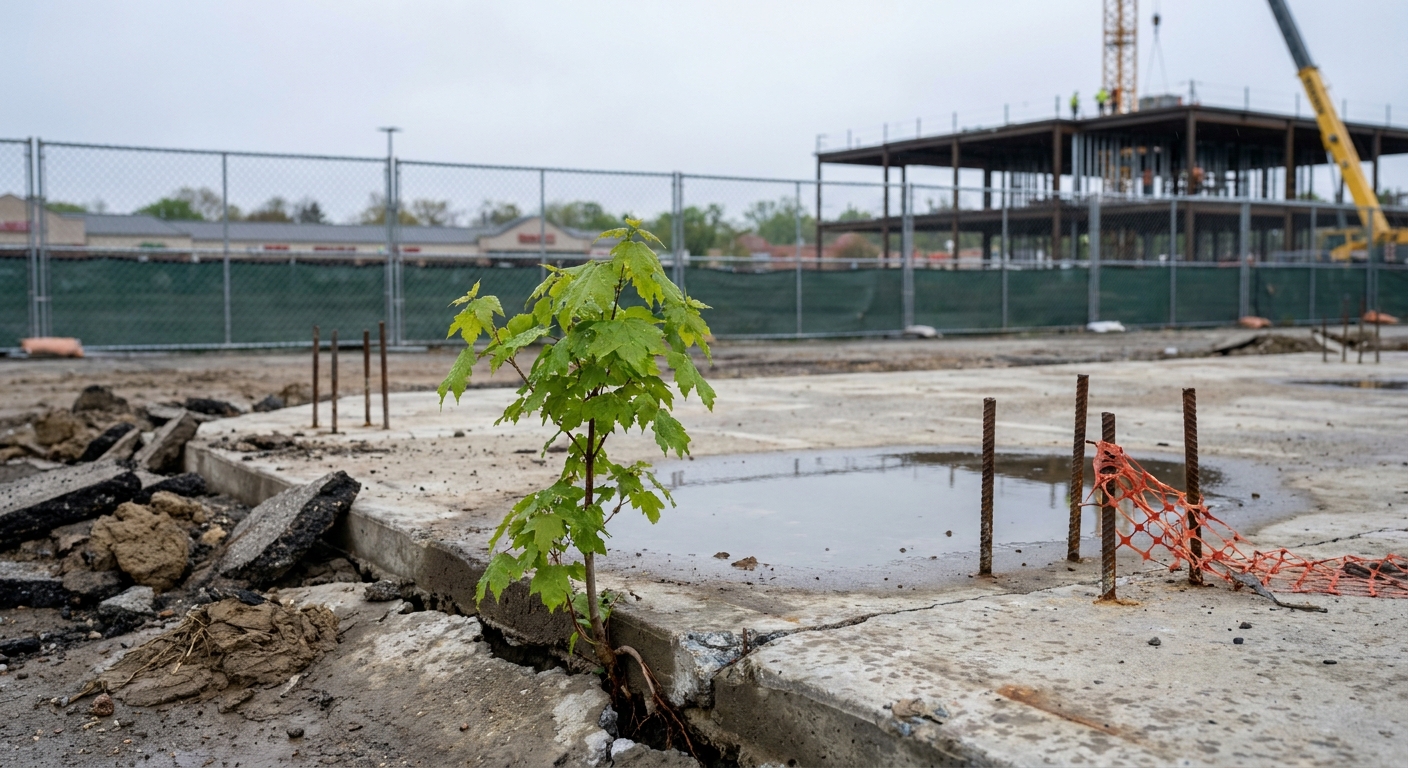
State dollars are newly in play for Troy classrooms and hard-to-redevelop properties. Michigan's $75.2 billion budget for the 2026-27 fiscal year puts support within reach for both—but none of it arrives automatically. The package includes no new statewide taxes or fees, giving Troy residents and businesses fiscal predictability in the coming year.
For Troy, three pieces stand out: higher per-pupil funding for Troy School District, small business development grants and loans, and renewed Transformational Brownfield incentives for large commercial redevelopment.
The most direct change for Troy School District is a 2.5% increase in the minimum foundation allowance, rising to $10,300 per pupil from $10,050—$250 more per student. But that higher allowance does not necessarily mean schools will have more room to expand services. Michigan inflation ran 3.7% year over year in May 2026, meaning the new dollars may not keep pace with the district's rising costs for salaries, transportation and operations. Troy School District will calculate the concrete dollar impact based on its current enrollment.
For developers and property owners, lawmakers renewed the Transformational Brownfield Plan program through Senate Bill 723, doubling the statewide tax-capture cap from $1.6 billion to $3.2 billion and extending the program sunset to Dec. 31, 2032. The renewed program could unlock stalled commercial sites in Troy, especially along Big Beaver Road, where planning aims to replace surface parking and underutilized buildings with mixed-use projects featuring restaurants, retail, residential and hotels. Troy is also revising its master plan to address office vacancies along Big Beaver Road, building height limits on Rochester Road and repurposing underutilized industrial buildings.
The expanded cap and extended deadline give developers more room and time to pursue brownfield-eligible projects, but site-specific challenges—contamination cleanup costs, financing gaps and zoning—will still determine whether incentives translate into actual construction. Developers must submit plans to the Michigan Strategic Fund, demonstrate that projects meet the program's transformational scale and impact thresholds, and secure local approval before the sunset date.
The budget also includes small business development grants and loans, along with expanded community revitalization and business attraction grants, which Big Beaver Road corridor entrepreneurs can now pursue.
Whether these state dollars make a tangible difference in Troy will depend on enrollment stability for the school district, developer willingness to assemble the full financial and regulatory package that brownfield incentives alone cannot supply, and small business owners' ability to compete for available grants.